Quercus robur 'Compacta'

Quercus robur 'Compacta'

Sorry, now sold out
£55.00

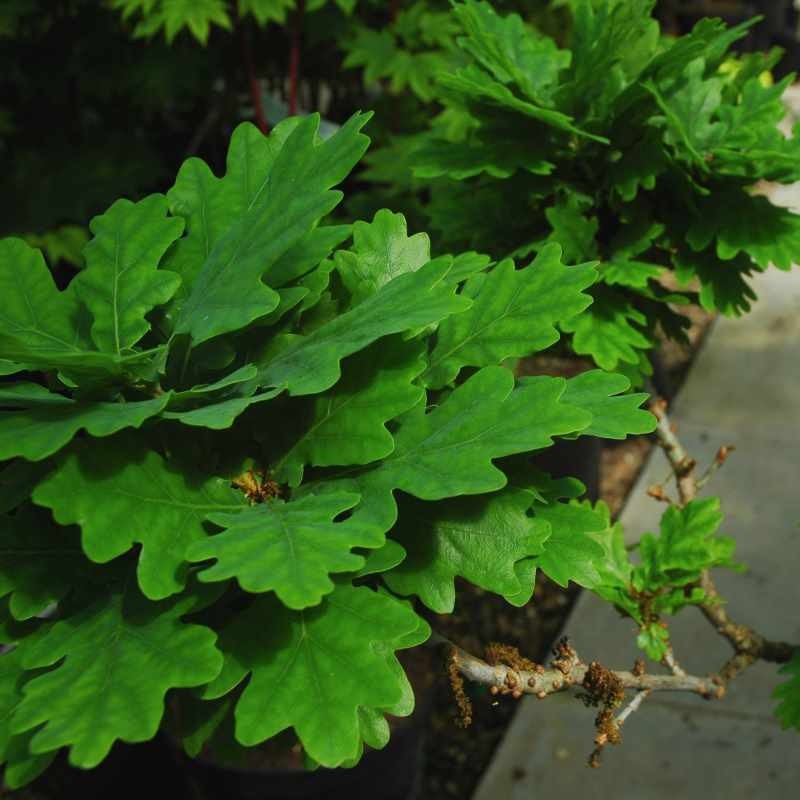
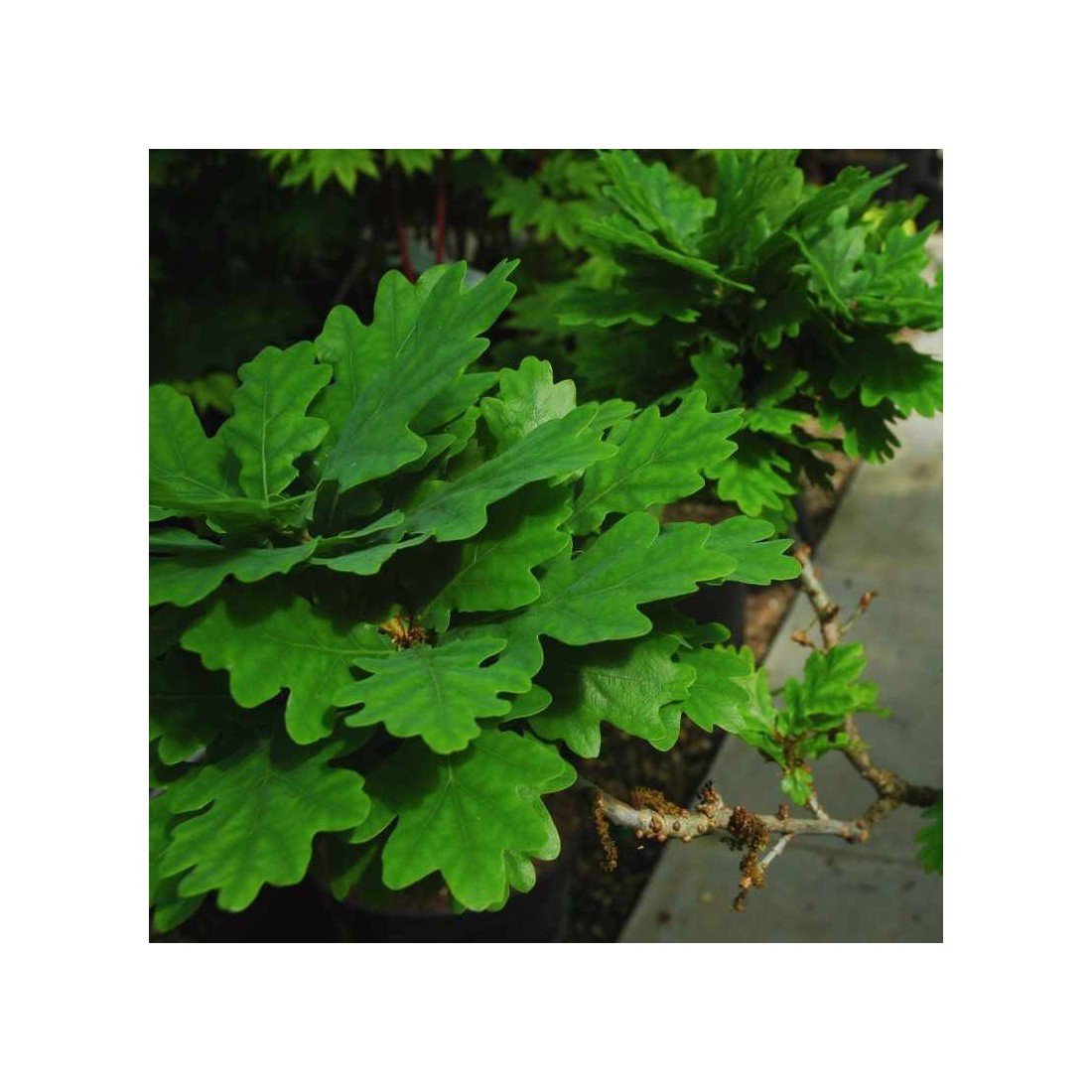
(Dwarf English Oak) A very slow growing form of our native oak, Quercus robur 'Compacta' has dense clusters of the familiar dark green leaves and a slightly gnarled habit once established.

Due to its very slow rate of growth, this plant is not for instant gratification!

Very limited availability this year

More Information

£5 off website orders over £40
(1 per person, website orders only, £40 does not include postage, excludes gift vouchers)

1 x free Campanula 'Prichard's Variety' (3L pot) with website orders over £40
Enter code FREEPLANT11 during checkout.
Perennial with violet blue summer flowers.
One free plant per person only. Excludes orders for gift vouchers.

£6.95 standard delivery for ANY number of plants to most of the UK*
Free delivery for orders over £60*
*Surcharges apply for Northern Scotland and Islands

4.8 on Google Business Reviews
 

A very slow growing form of our native oak, Quercus robur 'Compacta' has dense clusters of the familiar dark green leaves and a slightly gnarled habit once established.

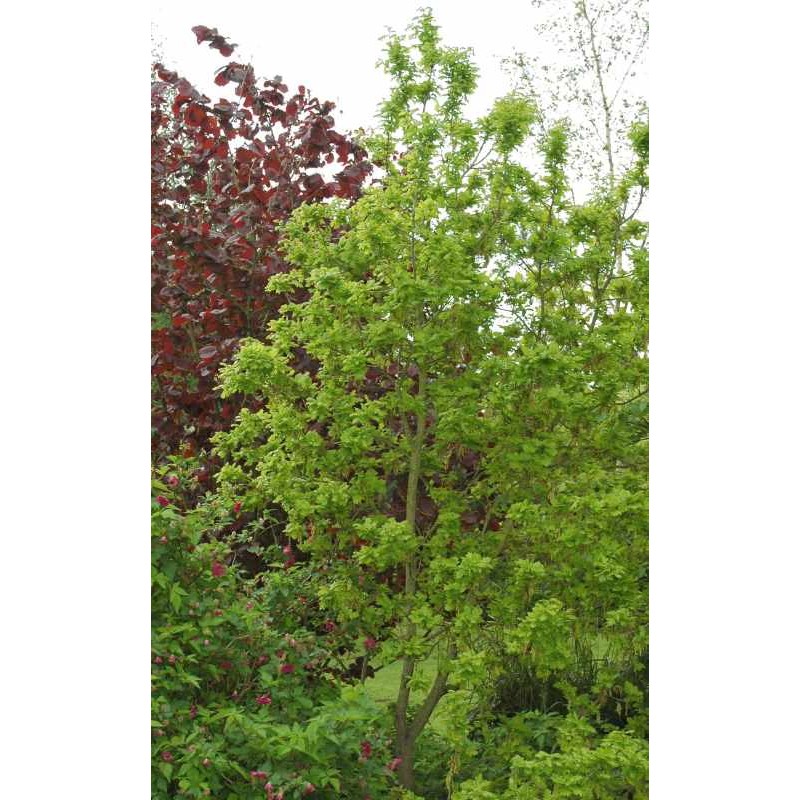
Quercus robur 'Compacta' is an interesting small oak tree for a garden with limited space but due to its very slow rate of growth is not one for instant gratification!


  • Position: Full sun or light, dappled shade.
  • Soil: Any reasonably well drained fertile soil. Avoid waterlogged areas.
  • Hardiness: Hardy.
  • Rate of Growth: Very slow
  • Habit: Quercus robur 'Compacta' grows to be a very small tree with gnarled branches and a rounded crown.
    • Height: 3 m (10 ft)
    • Spread: 2.5 m (8 ft)
  • Notes: Quercus robur 'Compacta' is slow growing and will take many years to reach the above height.
How Much Sun
Full Sun, Light Shade
Eventual Size
Tree - Small (4m - 8m)
Growing Conditions
Soil: Damp/Wet, Soil: Acid, Soil: Not Fussy, Site: Coastal Areas
Special Features
Honey Fungus Resistant, Suitable for Containers, Rare and Unusual

Similar plants