Back to Trees & Shrubs Index


Abelia
Abeliophyllum
Acer
Acradenia
Aesculus
Ageratina
Ailanthus
Alnus
Amelanchier
Amelasorbus
Aralia
Aronia
Aucuba
Azara
Berberis
Betula
Buddleja
Callicarpa
Calycanthus
Camellia
Caragana
Carpinus
Carya
Castanea
Catalpa
Cephalanthus
Ceratostigma
Cercidiphyllum
Cercis
Chaenomeles
Chimonanthus
Chionanthus
Chitalpa
Choisya
Cladrastis
Clematis
Clerodendrum
Clethra
Cleyera
Colquhounia
Colutea
Coprosma
Cornus
Corylus
Cotinus
Cotoneaster
Crataegus
Crinodendron
Cytisus
Daphne
Davidia
Decaisnea
Desfontainia
Deutzia
Dichroa
Dipelta
Disanthus
Drimys
Elaeagnus
Embothrium
Emmenopterys
Eucalyptus
Eucryphia
Euonymus
Exochorda
Fagus
Ficus
Forsythia
Fothergilla
Franklinia
Fraxinus
Fremontodendron
Fuchsia
Garrya
Gift
Ginkgo
Gleditsia
Gymnocladus
Halesia
Halimodendron
Hamamelis
Hedera
Heptacodium
Hibiscus
Hippophae
Hoheria
Holodiscus
Hydrangea
Ilex
Indigofera
Itea
Juglans
Kalopanax
Koelreuteria
Kolkwitzia
Laburnum
Leptospermum
Lespedeza
Leycesteria
Liquidambar
Liriodendron
Lonicera
Luma
Maackia
Magnolia
Mahonia
Malus
Manglietia
Metrosideros
Morus
Myrtus
Nandina
Neillia
Nothofagus
Nyssa
Olearia
Osmanthus
Oxydendrum
Pachysandra
Paeonia
Parrotia
Philadelphus
Photinia
Phygelius
Physocarpus
Pittosporum
Platanus
Poncirus
Populus
Prunus
Pseudocydonia
Pseudowintera
Ptelea
Pterostyrax
Pyracantha
Pyrus
Quercus
Rhamnus
Rhaphiolepis
Rhus
Ribes
Robinia
Rosmarinus
Rubus
Salix
Sambucus
Sarcococca
Season
Sinocalycanthus
Skimmia
Sorbaria
Sorbus
Stachyurus
Staphylea
Stephanandra
Stewartia
Styrax
Syringa
Tamarix
Tilia
Ulmus
Vaccinium
Viburnum
Vitex
Weigela
Xanthoceras

BlueBell Nursery - Trees & Shrubs - Cercidiphyllum - Cercidiphyllum japonicum


Cercidiphyllum japonicum
Katsura Tree

Cercidiphyllum japonicum
Please click on the images to view larger photos
Price: £22.50 Quantity :

Description

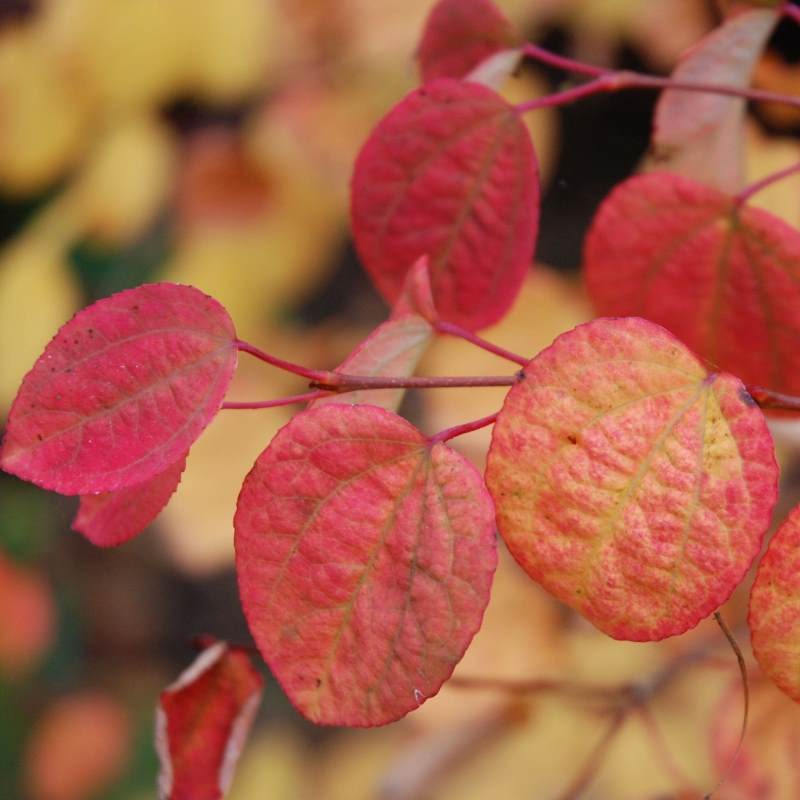
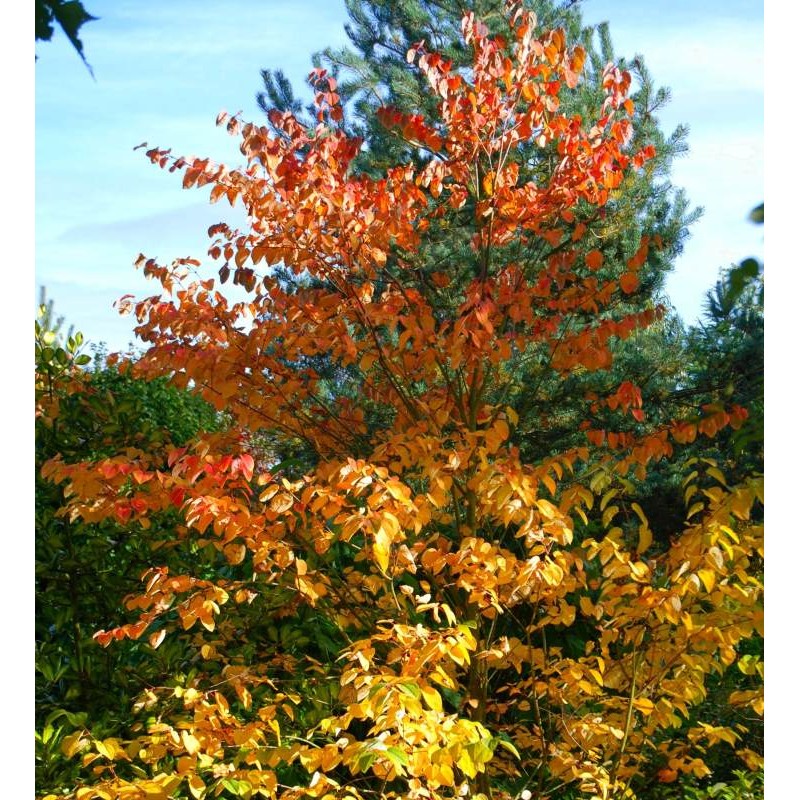
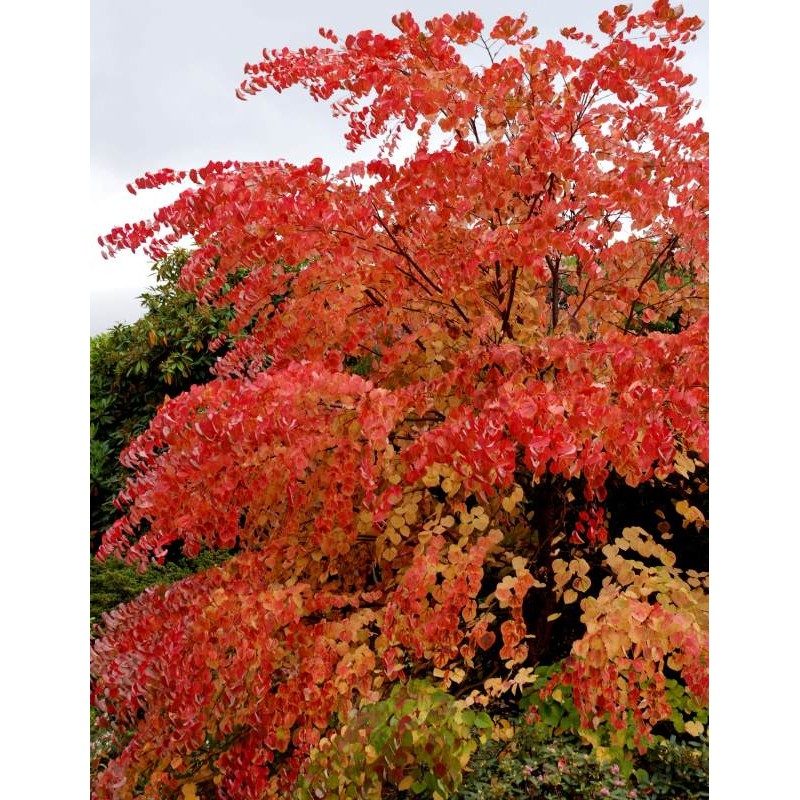
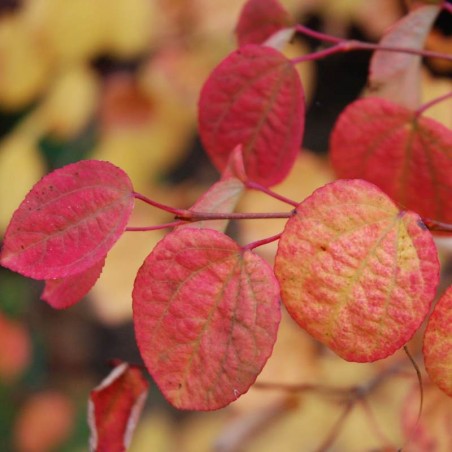
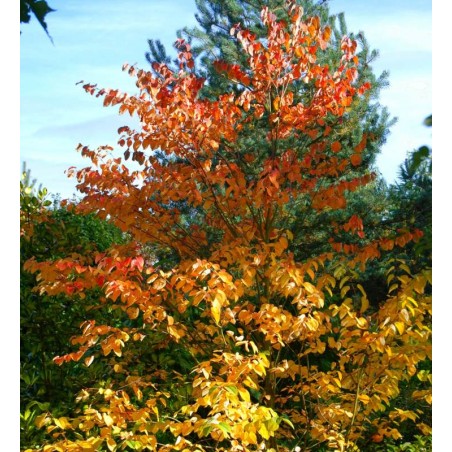
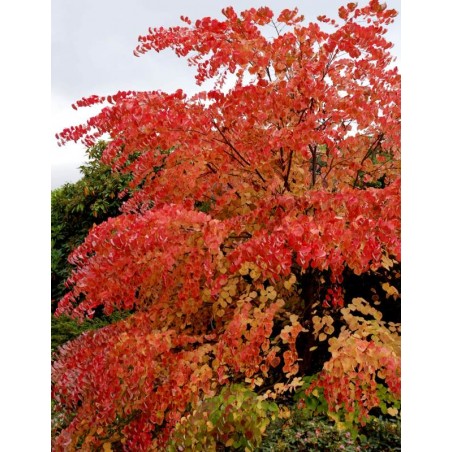
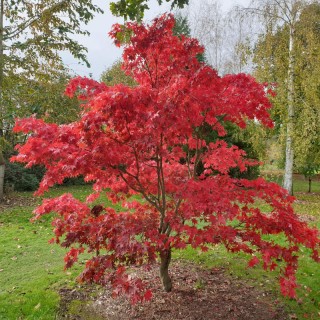
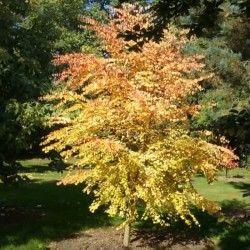
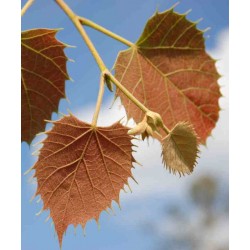
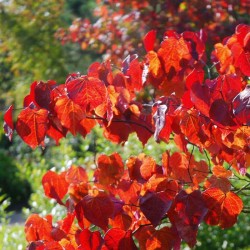
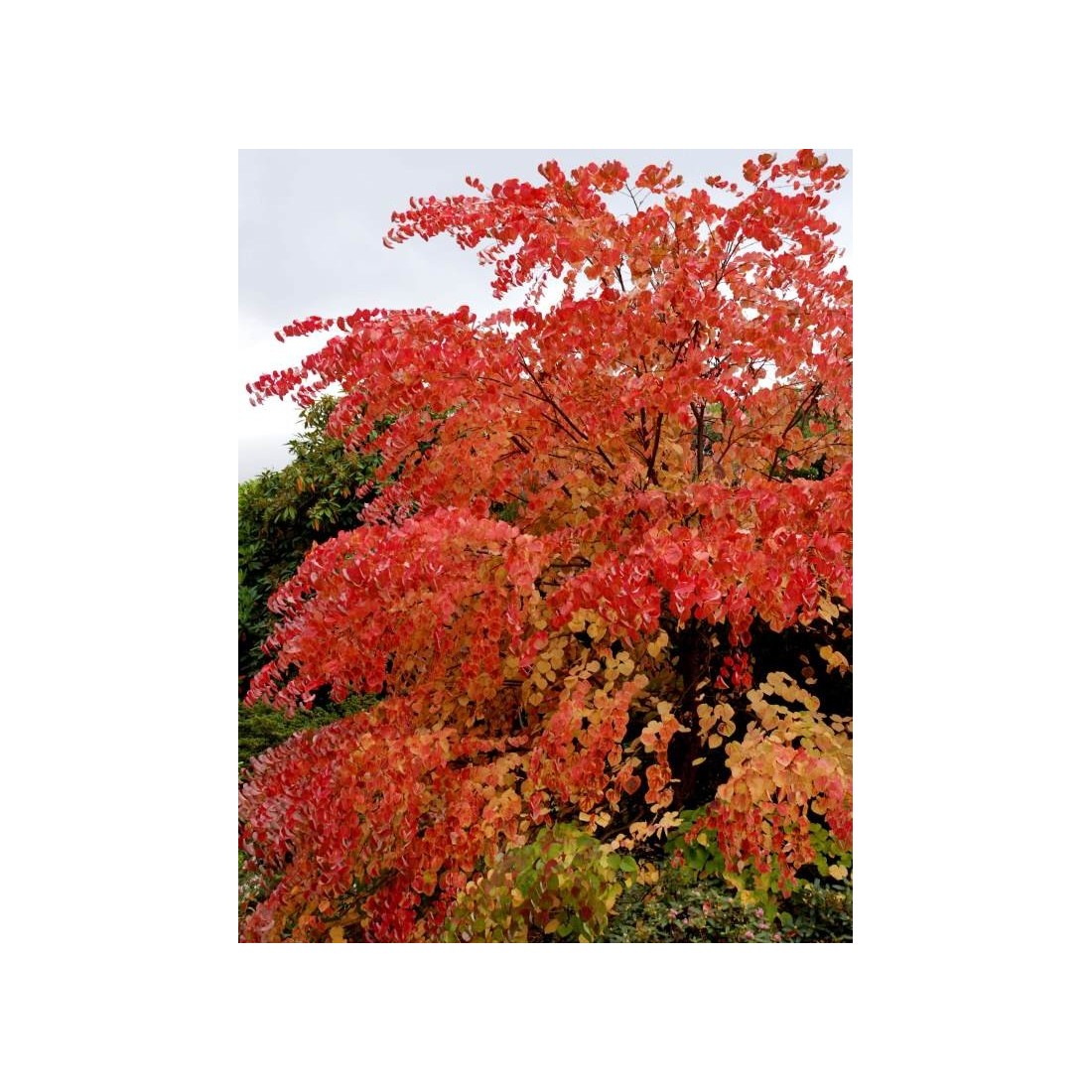
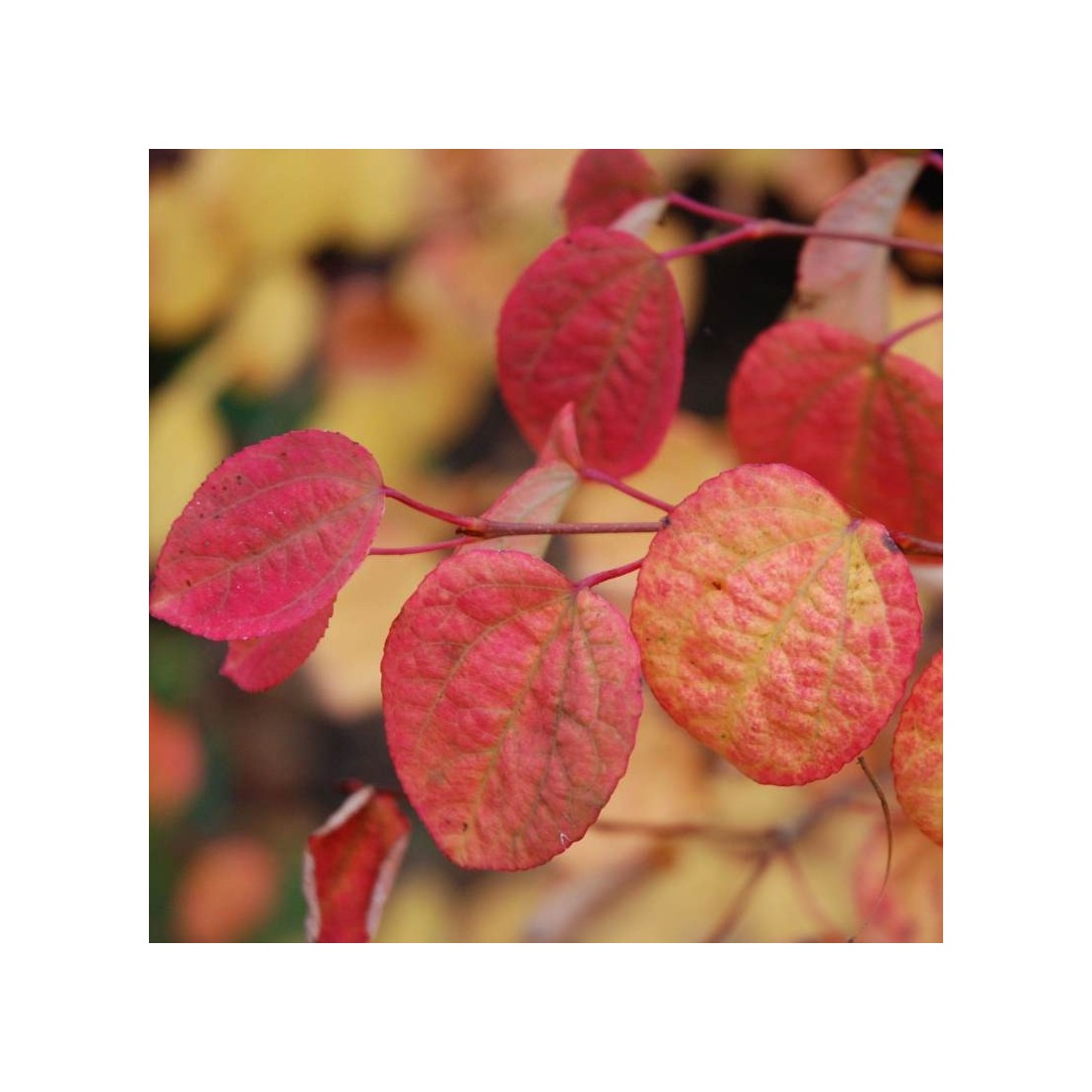
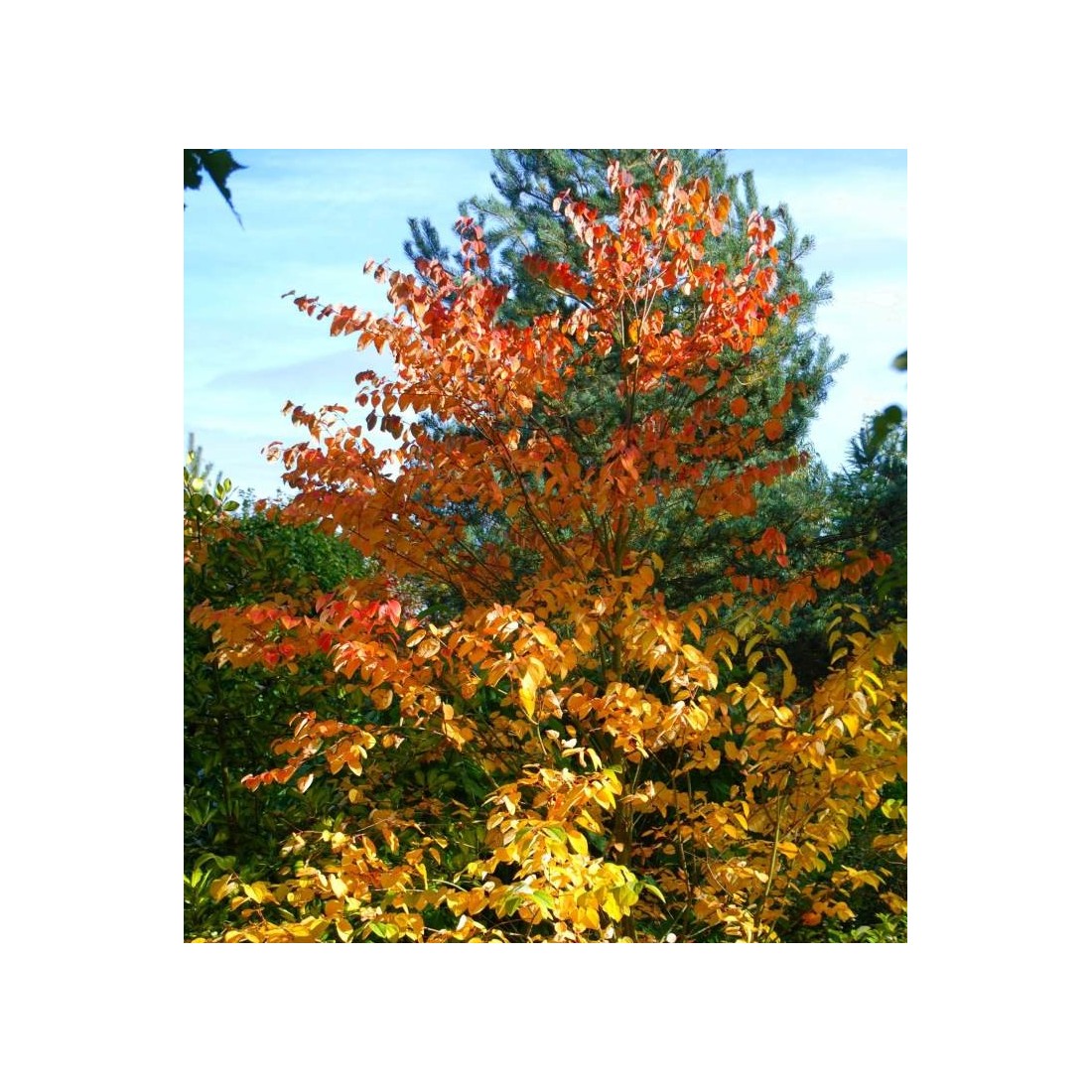
An unusual but easily grown tree, Cercidiphyllum japonicum is known for its beautiful, heart-shaped leaves which turn fantastic shades of yellow, purple and red in autumn.

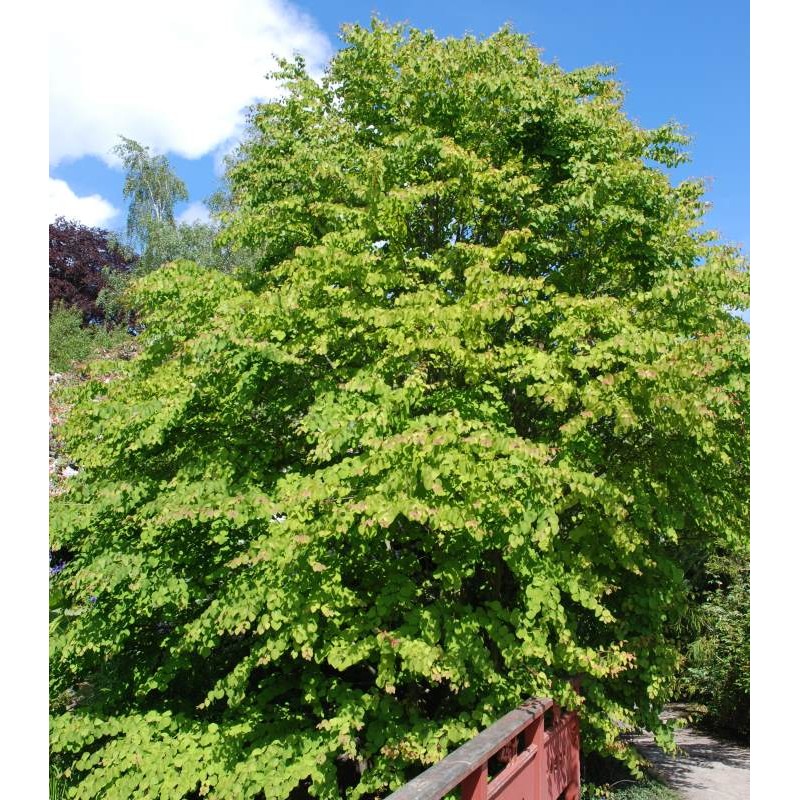
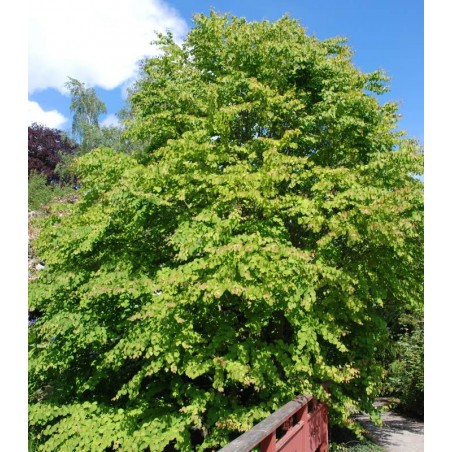
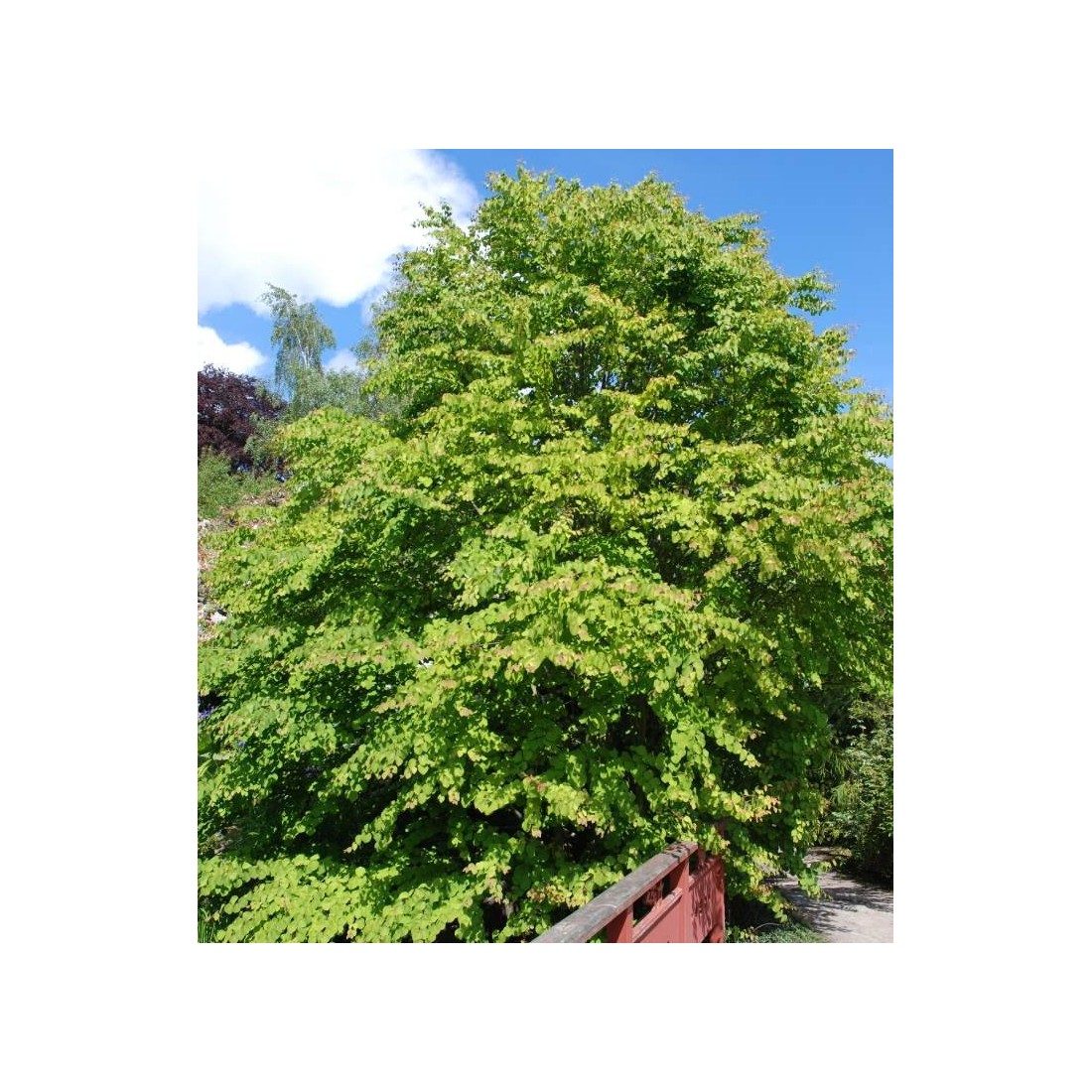
The leaves are bright green in spring / summer and grown from seed, the autumn colour varies from plant to plant, with the leaves of some turning brilliant orange or yellow and others turning glowing purple and red. As the leaves fall from the tree late in the year, they give off an aroma similar to burnt sugar or candy floss.

A spectacular garden tree with excellent autumn colour!

Supplied Size: 3L containers (freshly potted at 60 - 80 cm tall)


  • Position: Sheltered area in full sun or light, dappled shade.
  • Soil: Moist but well drained, acidic soils. Cercidiphyllum japonicum will tolerate some lime but will grow better and produce more vivid autumn colour in lime free or acid soils.
  • Hardiness: Hardy. Cercidiphyllum japonicum requires shelter from strong winds.
  • Rate of Growth: Moderate.
  • Habit: Eventually a medium sized tree with an elegant branching crown once established.
    • Height: 15 m (50 ft) / [up to 5 m (16 ft) in ten years]
    • Spread: 10 m (32 ft) / [2.5m (8 ft) in ten years]

Plant Video

The Cercidiphyllum japonicum in our woodland gardens (taken in early October 2010).


Further Information

Extract from an information poster in our arboretum

An ancient genus of trees which has been on earth for many millions of years. It is considered to be distantly related to Liriodendron (Tulip Tree). Cercidiphyllum have rounded, heart-shaped leaves, which typically colour well in autumn and the dying leaves emit the powerful and pleasant fragrance of bonfire toffee or caramelised sugar.

'The common name Katsura, alludes to the tale of a Chinese monk who discovered the secret of eternal life. Not content with this he went on to commit a hideous crime, for which he was sentenced to go to the moon to fell a 5,000 feet high tree. The image of the man in the moon we see today is the condemned man trying to accomplish this impossible task. This gives rise to the idea of a Katsura as an impossible goal or unachievable dream. In Western China many pharmacies sell Katsura bark for its medicinal properties.'

These are long lived trees, growing to medium stature in the span of a normal lifetime but, in favourable conditions are destined to become large specimens in hundred of years time. We have young specimens of most of the Cercidiphyllum listed below planted in our woodland garden which is open to the public all year round, although they are obviously at their best in mid to late October when the autumn colour is most vivid!


Other Similar Suggested Plants

Customers who bought this plant also bought:


Shopping Basket Edit...
Currently empty