Acertegmentosum Snakebark Maple or Manchurian Striped Maple
Please click on the images to view larger photos
Description
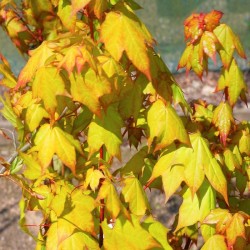
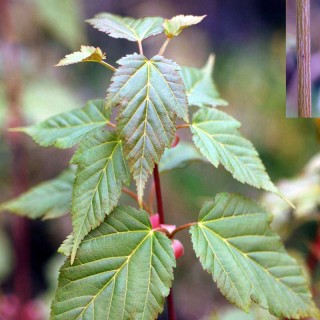
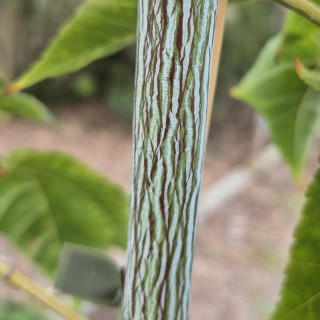
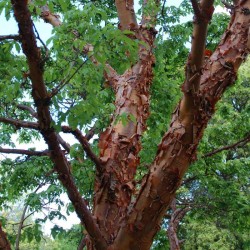
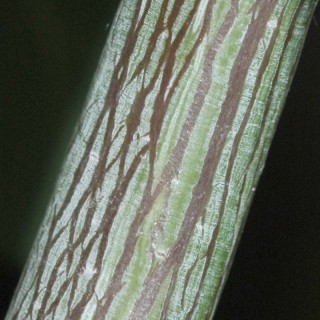
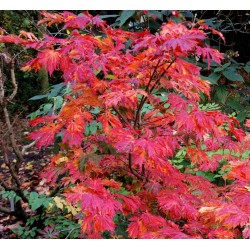
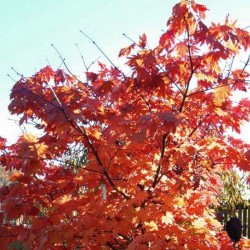
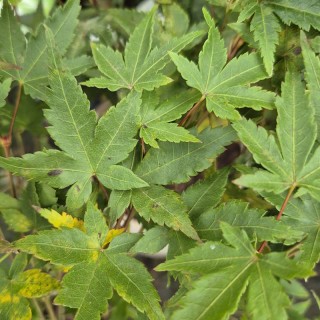
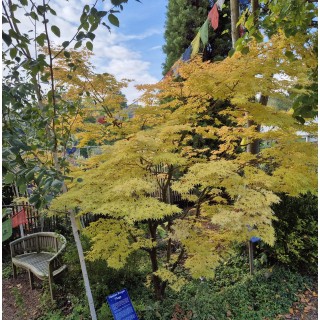
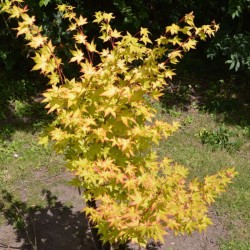
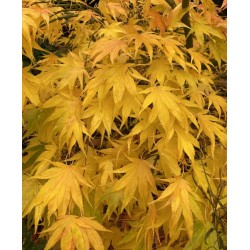
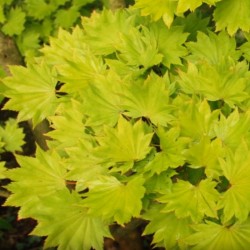
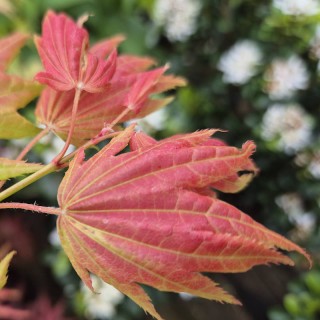
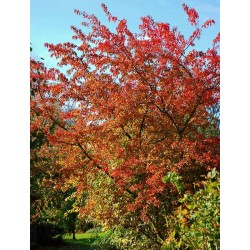
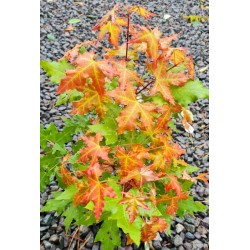
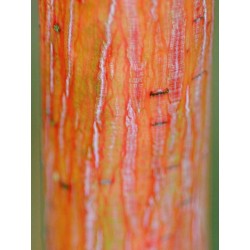
One of the loveliest of all Snakebark maples, Acer tegmentosum has magnificent jade and silver striated bark, complimented in winter by striking mahogany coloured buds. Unlike most other Snakebark maples, this plant is almost as spectacular in summer as it is in the depths of winter, with lush, large green leaves and an excellent display of bark. The leaves will also turn good shades of butter yellow in a crisp autumn. A stunning maple with year round interest and a 'must have' for nearly any winter garden!
Features
Common name: Snakebark Maple or Manchurian Striped Maple.
Position: Full sun or partial shade.
Soil: Any well drained, fertile soil.
Hardiness: Hardy. Acer tegmentosum requires shelter from strong winds and protection from severe late frosts.
Rate of Growth: Moderate.
Habit: Small elegantly branching tree.
Height: up to10 m (32 ft)
Spread: 8 m (26 ft)
Notes: A specimen of Acer tegmentosum, planted in the woodland garden surrounding our nursery has reached a height of 4 m, a spread of 4 m after 14 years.
Size: 100 - 120 cm tall in 2L pots
Plant Video
An informal video clip of the Acer tegmentosum (Snakebark Maple) in our gardens.
Further Information
From mountainous regions of Manchuria, North Korea and along the banks of the Amur and Ussuri rivers in Eastern Russia, this is one of the most beautiful snake bark maples.
It grows into a small hardy tree with a distinctive white bloom on younger shoots. Older branches are jade coloured with silvery white striations, especially striking in winter.
Like many choice maples, Acer tegmentosum prefers a site with some shelter from the most severe winds and, as a young plant, appreciates a little protection from late frosts at the end of April and during May.
In the wild this maple can happily tolerate extremely cold winters, sometimes below minus 20c, but it doesn?t have to cope with frosts after it comes into leaf. Sadly late frosts in spring can be a feature of our British climate!
Extract from an information poster in our arboretum